
Living in Brisbane means being prepared for unexpected weather and emergencies. Intense storms and dry conditions can lead to flooding and bushfires. Being prepared is crucial to ensure the safety of yourself, your home, and your business.

Preparing for an emergency involves steps like checking your risk level, creating an emergency kit, and developing a plan for your household or business. Understanding the likelihood of flooding, storms, or bushfires affecting your property is essential. Having an emergency kit with supplies for everyone, including pets, is vital.

When an emergency occurs, it is crucial to have a plan in place. Local authorities and emergency services respond during disasters, but individual preparedness is key to effectively dealing with emergencies. Regularly rehearsing your emergency plan ensures everyone knows what to do in a crisis.

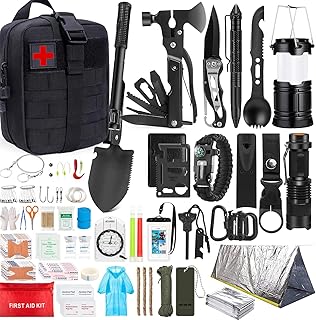
An emergency kit should include essential items like a radio, torch, first aid kit, medications, food, water, important documents, and tools. Checking and replenishing your kit regularly is important. It’s recommended to have supplies to last for at least three days.

Developing an emergency plan for your household or business is crucial. This plan should include contact details, evacuation routes, utility shutdown instructions, meeting places, and roles during emergencies. Regularly reviewing and practicing the plan helps ensure everyone is prepared.

For individuals with disabilities, additional considerations are necessary when preparing for emergencies. Understanding support needs, communication strategies, and developing a personal emergency plan are vital for ensuring safety during disasters.
Preparing your home involves maintaining your property, removing hazards, checking insurance coverage, and planning for pets. Regular property maintenance, hazard removal, and ensuring adequate insurance coverage are essential steps in disaster preparedness.
For pets, it’s important to have an emergency kit with supplies like medication, food, water, bedding, and toys. Ensuring fences are secure, providing shelter, and making arrangements for their care in emergencies are crucial for pet safety.
Businesses also need to prepare for emergencies by improving resilience, training staff, protecting stock and equipment, developing continuity plans, and reviewing insurance coverage. Identifying risks, assigning tasks, and maintaining infrastructure are key aspects of business preparedness.
Understanding how to use sandbags effectively during flooding, collecting and storing sandbags, and disposing of them properly are important for property protection. Learning how to build sandbag barriers and precautions for working near flood or stormwater are essential skills.
Overall, being prepared for emergencies, whether at home or in business, is essential for ensuring safety and minimizing the impact of natural disasters. Regularly reviewing and practicing emergency plans, maintaining supplies, and staying informed are key elements of effective emergency preparedness.
📰 Related Articles
- IGN’s Psychonauts 2 Guide: 32 Essential Tips for Success
- Guide to Moving Overseas with Pets: Essential Tips and Requirements
- Essential Guide to Travelling Vanuatu: Tips for a Memorable Trip
- Essential Gear Guide: Camping Tips for Festival Comfort
- Zanzibar Safety Guide: Tips for Secure and Enjoyable Travel