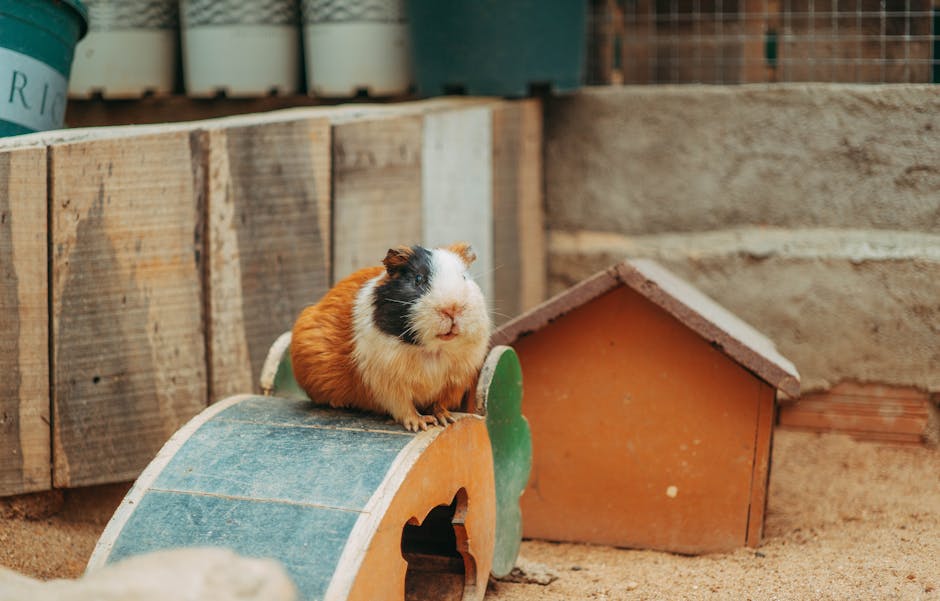
Over a century ago, Carl Hagenbeck revolutionized the concept of a zoo with his Tierpark Hagenbeck in Hamburg, Germany. While traditional zoos of the time featured animals confined to small, barren cages, Hagenbeck believed in providing creatures with environments that mimicked their natural habitats as closely as possible. This innovative approach transformed the way animals were housed and cared for, setting a new standard for zoological facilities around the world.
At a time when exotic animals struggled to survive in captivity, Hagenbeck's vision of "living habitats" offered them the opportunity to engage in innate behaviors and live more authentic lives. Instead of cages, his zoo featured large outdoor enclosures with artificial rocks, pools, and moats, creating the illusion of a natural landscape. Visitors were captivated by the lifelike environments, sparking a global shift towards more humane and enriching habitats for zoo animals.
Nigel Rothfels, a historian at the University of Wisconsin-Milwaukee, notes that Hagenbeck's influence extended far beyond his zoo in Hamburg. The principles of providing animals with spacious, stimulating enclosures became a hallmark of modern zoos, shaping the way wildlife is cared for and exhibited today. The legacy of Hagenbeck's innovative approach continues to inspire zoological institutions worldwide.
But Hagenbeck's groundbreaking ideas weren't limited to animals. Before revolutionizing zoos, he experimented with creating quasi-natural environments for human beings in menageries, collections of exotic animals housed in the gardens of European royalty. As these menageries became accessible to the public, Hagenbeck recognized the importance of showcasing exotic species in settings that resembled their natural habitats, laying the foundation for his later work with zoo animals.
The evolution of zoos from cramped cages to expansive, immersive habitats can be traced back to Hagenbeck's pioneering efforts to provide animals with environments that promote their well-being and natural behaviors. Today, zoos continue to prioritize the creation of enriching enclosures that prioritize the physical and psychological health of their residents, offering visitors a unique opportunity to observe wildlife in settings that closely mirror their natural homes.
As the field of zoology continues to evolve, the legacy of Carl Hagenbeck serves as a reminder of the importance of creating environments that respect and honor the inherent needs of the animals in our care. By prioritizing the well-being of zoo residents and providing them with engaging, stimulating enclosures, we can ensure that future generations of animals thrive in captivity while inspiring visitors to develop a deeper appreciation for the natural world.