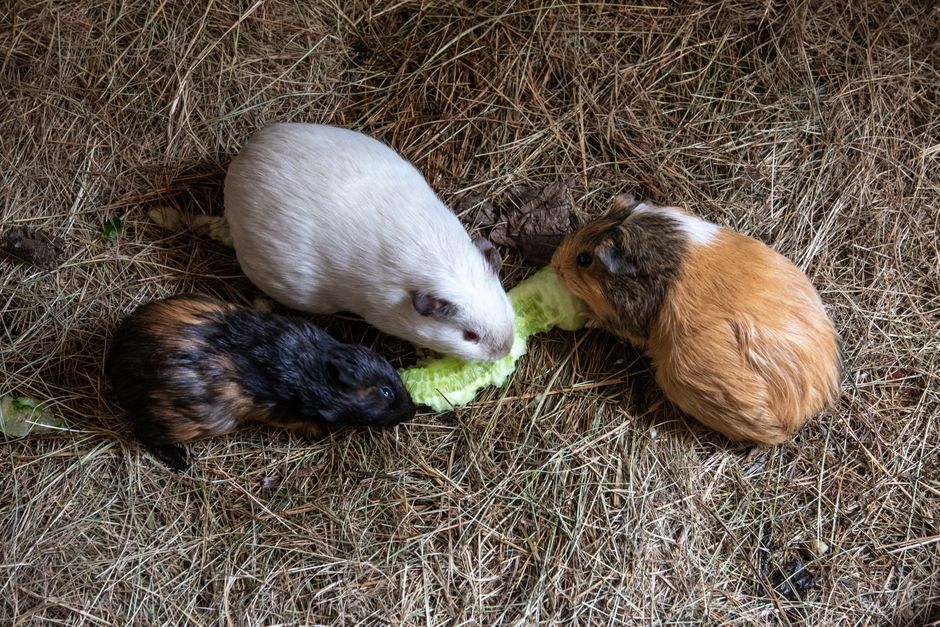
Research into the impact of probiotic diets on guinea pigs has revealed fascinating insights into the delicate balance of their gastrointestinal system. Conducted by a team of experts from various universities in Ecuador, this study delved into the pH levels, microbiota composition, and productive performance of weaned guinea pigs fed different diets.
The study was divided into two phases to thoroughly examine the effects of dietary interventions on the guinea pigs' digestive health. In the first phase, the researchers characterized the intestinal microbiota, measured the pH levels in various parts of the gastrointestinal tract, and analyzed intestinal morphometric variables such as villi length, width, density, and crypt depth in the small intestine.
Over 200 weaned guinea pigs of an improved genotype were divided into three dietary treatment groups: one group received green alfalfa forage (Alf), another group received alfalfa forage plus a balanced diet (Alf + BLC), and the third group received only the balanced diet (BLC). The results showed significant differences in gastrointestinal pH among the diets, with the concentrate feeding leading to a more alkaline environment.
Furthermore, the microbial composition in the guinea pigs' intestines varied depending on the diet they were fed. After weaning, Escherichia coli and Staphylococcus vitulinus were found to be the predominant species in the gut microbiota. This highlights the importance of diet in shaping the microbial communities within the gastrointestinal tract of guinea pigs.
In the second phase of the study, the researchers supplemented the diets of the guinea pigs in the Alf + BLC and BLC groups with a probiotic mixture enriched with vitamins, minerals, and amino acids at different inclusion levels. The results indicated that probiotic supplementation had a positive impact on intestinal morphology, with enhanced villus length and density in the small intestine, particularly with higher doses of probiotics.
Notably, the guinea pigs that received a mixed diet with 0.5% fortified probiotics showed improved growth performance, including greater weight gain, feed intake, and better feed conversion. This suggests that dietary composition and probiotic supplementation play a crucial role in modulating gastrointestinal conditions, microbial communities, and intestinal structure, ultimately leading to enhanced productivity in guinea pigs.
These findings have significant implications for the care and feeding of guinea pigs in both research and domestic settings. Understanding how dietary interventions can influence gut health, microbial balance, and overall growth performance in guinea pigs can help improve their well-being and productivity.
In conclusion, this study sheds light on the intricate relationship between diet, gut health, and productive performance in guinea pigs. By carefully selecting and supplementing their diets with probiotics, it is possible to optimize the gastrointestinal environment, promote beneficial microbial communities, and enhance the growth and well-being of these beloved small pets.