Artichokes are a delectable vegetable that many of us enjoy as a treat. These Mediterranean delights boast a range of nutritional benefits, from being low in fat to high in fiber, phosphorus, folate, magnesium, and vitamin C, among other essential nutrients. With properties like improving cholesterol, liver health, and digestion, it's no wonder that artichokes are a popular choice for human consumption.
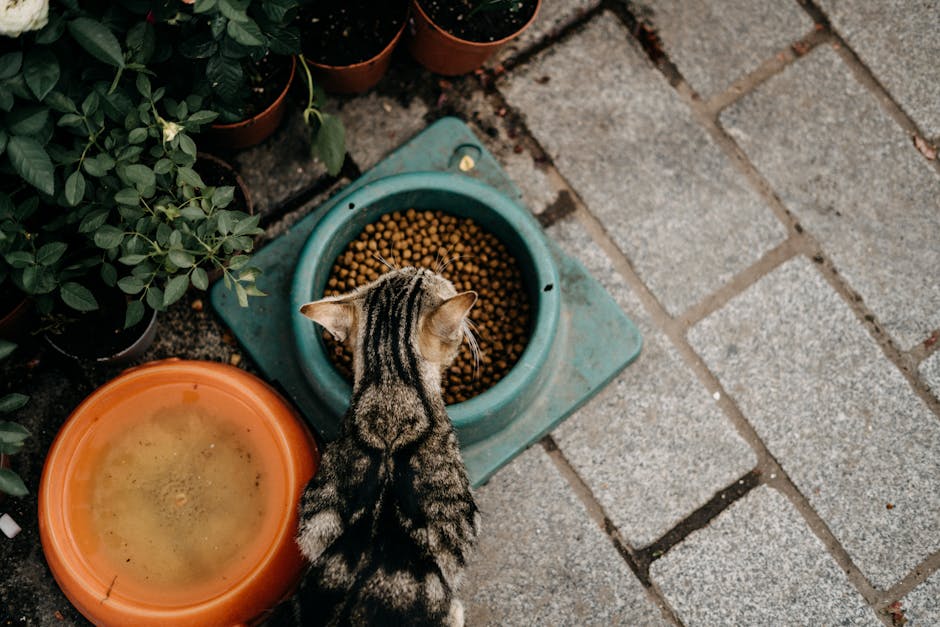
But what about our feline friends? Can cats eat artichokes? The good news is that artichokes are not toxic to cats. However, the issue lies in the fact that cats are obligate carnivores. This means that they require a diet primarily consisting of meat in order to thrive and survive. Ideally, at least 70% of a cat's diet should be meat-based to meet their nutritional needs.
While a small piece of artichoke may not pose a significant threat to your cat, it's important to note that felines have difficulty digesting plant material and may not derive sufficient nutrients from it. If a cat were to consume artichoke, they could experience stomach upset, leading to symptoms such as diarrhea, nausea, vomiting, lack of appetite, and abdominal pain. The more artichoke they eat, the more severe these symptoms may become.
Given that cats are unlikely to be interested in artichokes in the first place, it's best to err on the side of caution and refrain from offering these vegetables to your feline companion. While some cats may not experience adverse effects from consuming a small amount of artichoke, it's always better to stick to a diet that is specifically formulated to meet their nutritional requirements.
As a veterinarian with over ten years of experience in emergency medicine and caring for cats and dogs, Dr. Lauren Demos emphasizes the importance of providing pets with a balanced diet that meets their specific dietary needs. While artichokes may offer numerous health benefits for humans, they are not a suitable food choice for cats due to their unique dietary requirements as obligate carnivores.
In conclusion, while artichokes may be a delicious and nutritious treat for us, it's best to keep them out of reach of our feline companions. By understanding the dietary needs of cats and providing them with a balanced diet tailored to their carnivorous nature, we can ensure that they lead long and healthy lives. Remember, when it comes to feeding your cat, it's always best to consult with your veterinarian for expert guidance on meeting their nutritional needs.